Stay close to reality.
Experts, raw data, and edge cases come first.
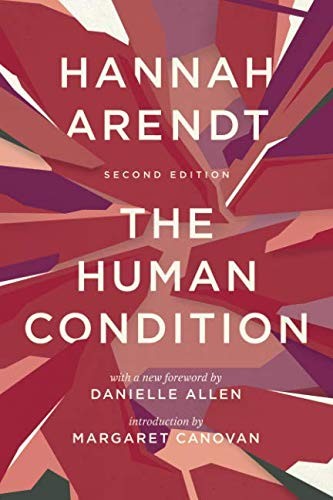
A language-model researcher rereads Hannah Arendt on labor, making, action—and what freedom might require in the age of AI.
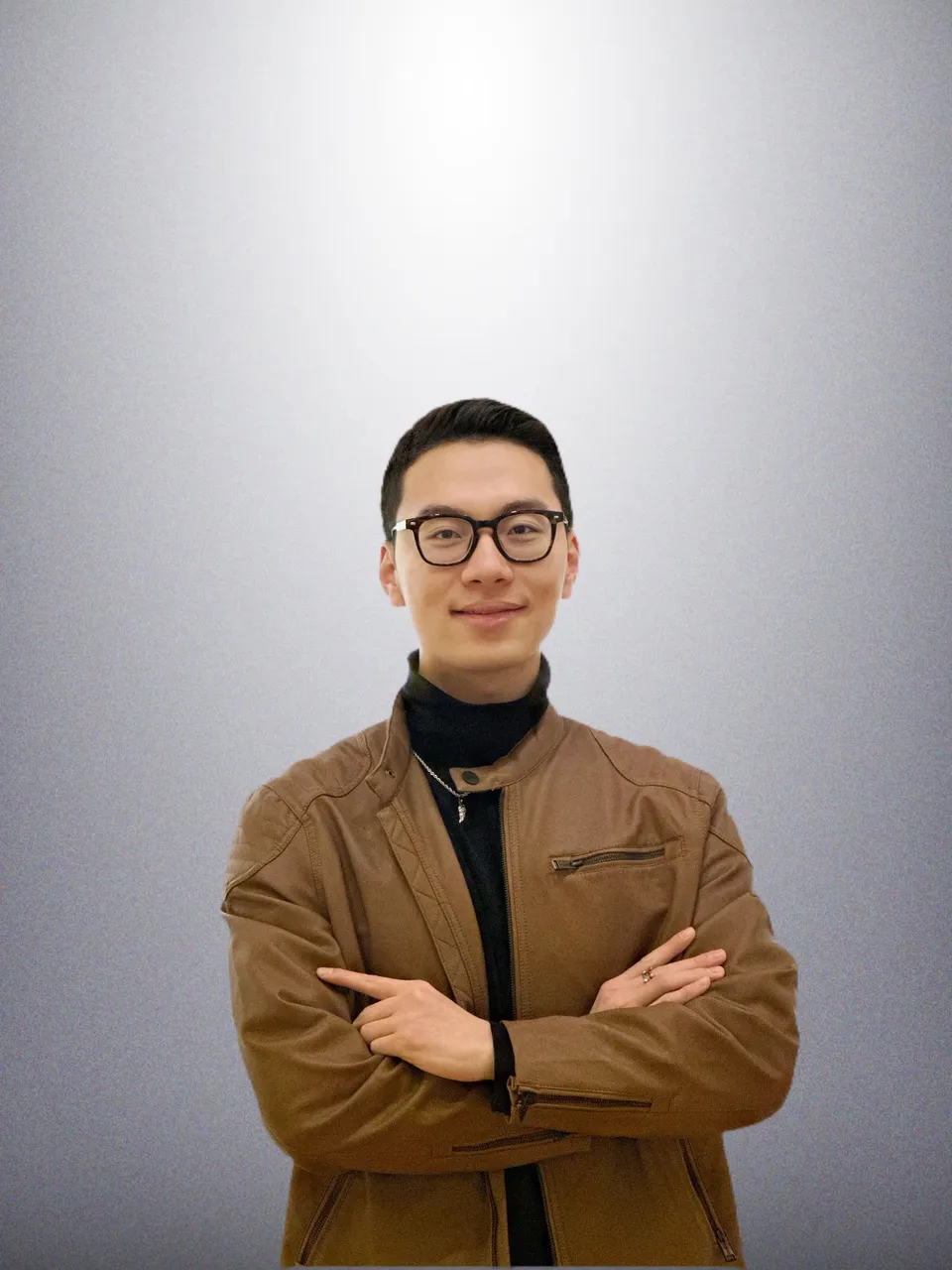
I’m Kaiyu. My work sits between machine intelligence and the older mysteries of being human: perception, creativity, philosophy, and life itself.
I build multimodal agents, explore biological discovery, and follow questions across history, science, and philosophy—often through conversations with people who see the world differently.
Outside research, I’m usually reading my way through history, philosophy, sociology, or psychology; watching films and then disappearing down a rabbit hole of how they were made; or staying active through climbing, basketball, soccer, and tennis. I also watch Huberman Lab with the optimistic belief that one more episode might finally make me healthier. At home, life is supervised by three very fluffy companions: a husky, a border collie, and a ragdoll cat—an energetic, opinionated little committee that keeps me grounded.
Folio I · How I think
Experts, raw data, and edge cases come first.
Making exposes what theory leaves vague.
Evidence—and other disciplines—should change the map.
Folio II · Research agenda
Not a fixed program—an evolving set of problems worth thinking about across disciplines.
Beyond imitation: can a system develop taste, critique its own work, and make coherent surprises?
How might it connect biological structure, function, and evolution without flattening living complexity?
What evidence would show genuine understanding, and what would make a philosophical idea truly new?
Folio III · Selected work
Selected chapters of my recent work, described only at the level of publicly released systems.
October 2026 · Computer-use post-training & launch
I contributed to computer-use post-training and built two of the six official release demos.
Meta introduced Muse Wonder and Muse Wonder Full as frontier models for personal and professional agents, including browser and cross-app workflows.
2026 · Computer use × visual storytelling
My focus is post-training and evaluation for multimodal agents that perceive evolving visual context, work through software tools, and create coherent artifacts over long horizons.
The public releases describe computer use, cross-app workflows, and longer-horizon agentic work; Mark Zuckerberg and Alexandr Wang also outlined how the system delegates, scripts, and acts through interfaces.
2025 · Multimodal pretraining
My focus was multimodal STEM reasoning and visual grounding, working across data, evaluation, and training science.
Meta introduced Muse Spark as a natively multimodal model for reasoning, tool use, and visual chain-of-thought.
This work was deeply collaborative. I’m especially grateful to the talented leads who shaped my early career—including Xia Fei, Tao Yu, Zhiqing Sun, and Jiahui Yu—my manager Guan Pang, and the many colleagues whose judgment, rigor, and generosity made the work possible.
Folio IV · PhD chapter
During my PhD at the University of Washington, I worked with radiologists to connect clinically meaningful questions, expert knowledge, machine learning, and new observations of cerebrovascular structure and function.
Folio V · Books, films & writing
A living record of recent books, a personal film top ten, and longer essays that begin in their margins.
Recently read
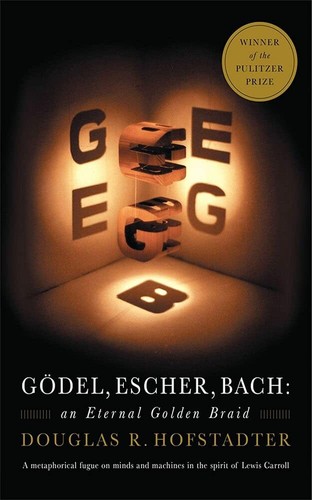
Eight books I have recently read or returned to, kept here as one bilingual shelf.

如何从敌人身上获益
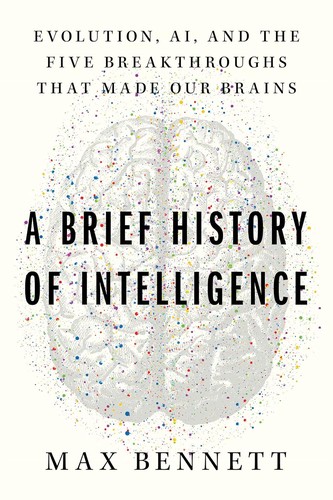
智能简史:进化、AI 与人脑的突破
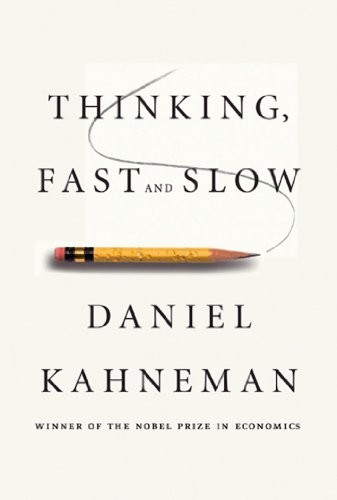
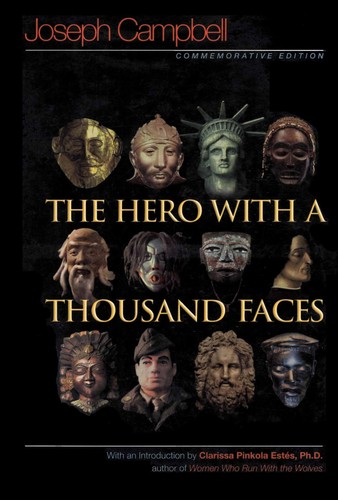
Scroll right to continue
A personal top ten
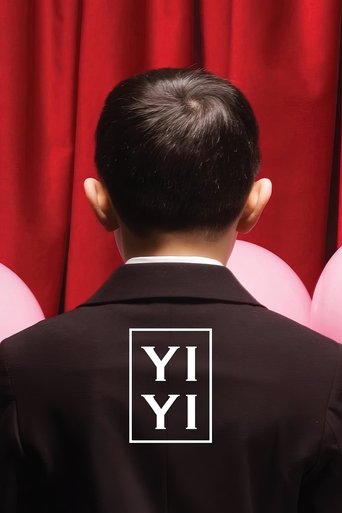
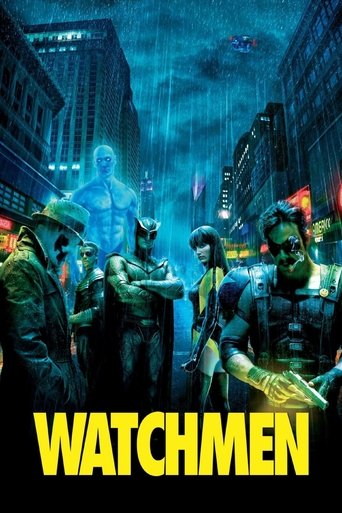
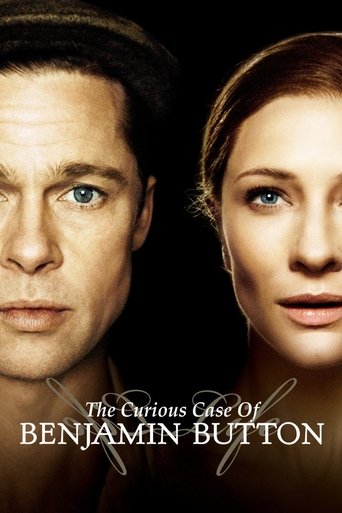
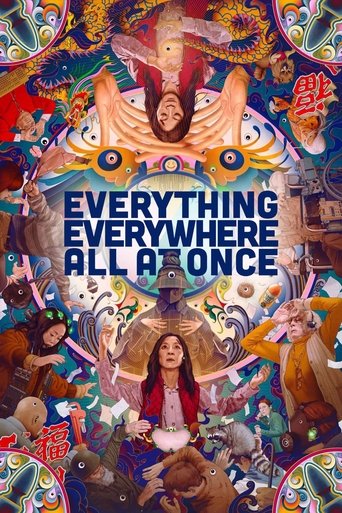
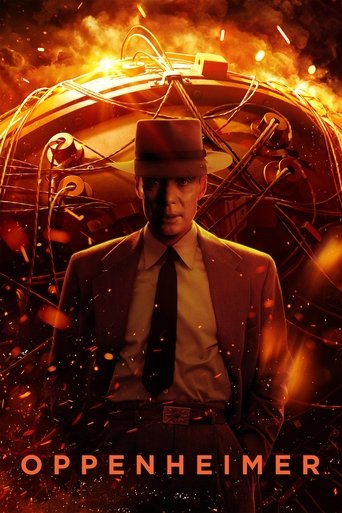
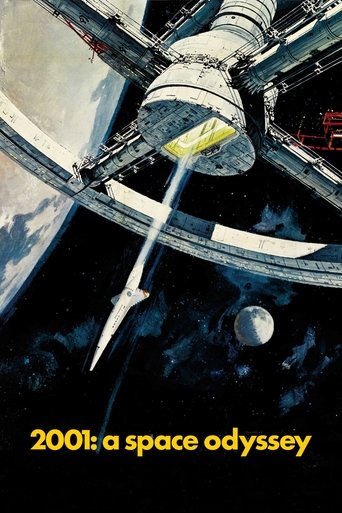
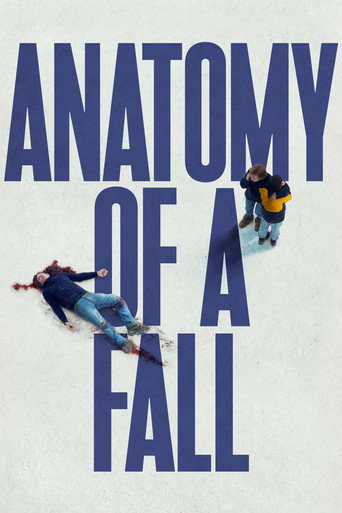
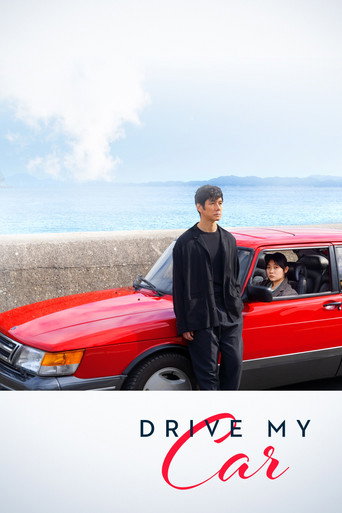
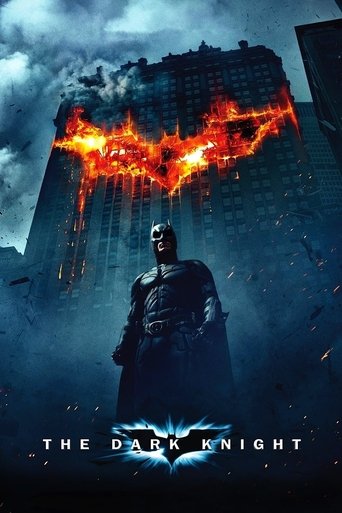
Ten films that have stayed with me after the credits, ordered as a personal top ten.
Scroll right to continue
Longer pieces live in their own rooms, so this homepage can stay a map rather than become an archive.